


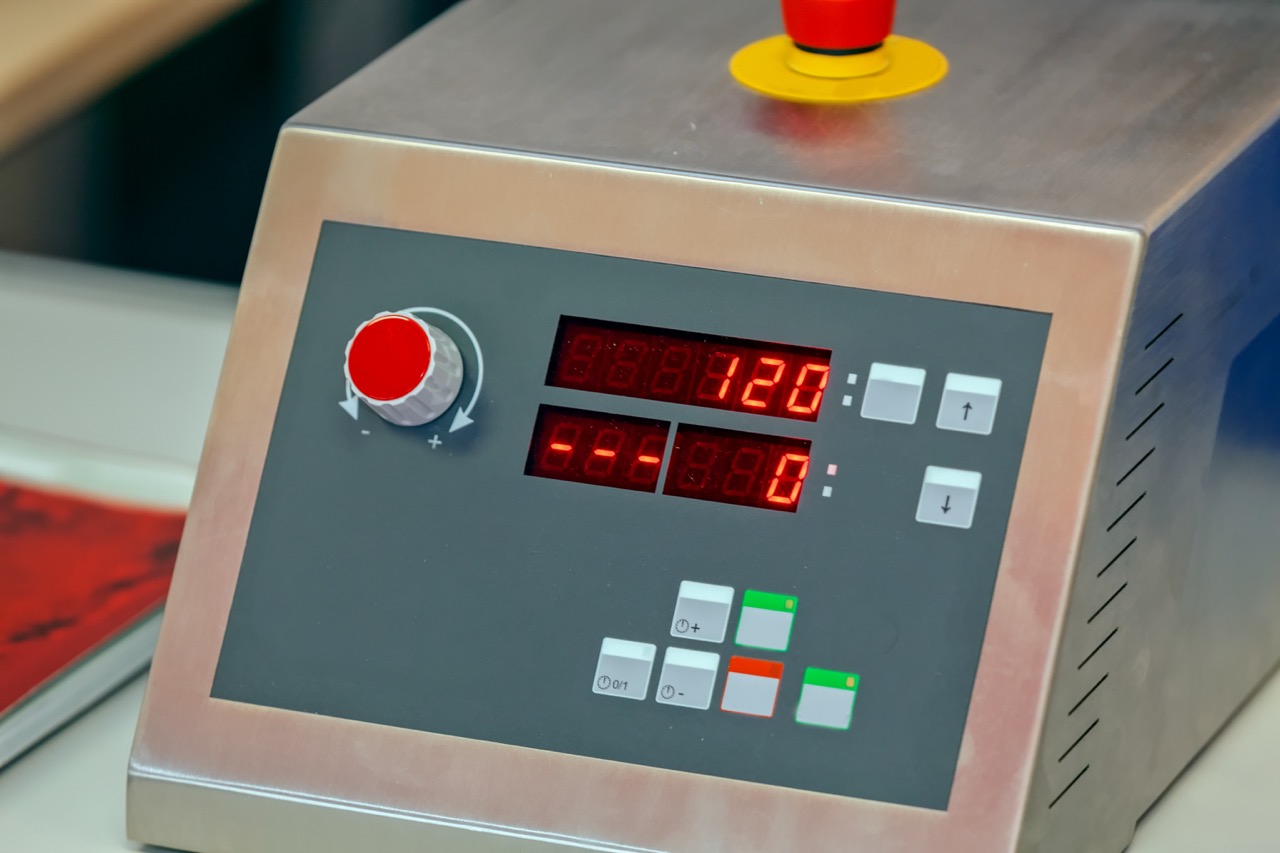
Thermal Control Console
The central command unit for targeted temperature management. Featuring an automated closed-loop interface, it provides real-time core temperature monitoring and precision flow control for rapid induction and stable maintenance.
Esophageal Heat Exchanger
A high-efficiency, multi-lumen disposable device. Engineered with medical-grade silicone, it facilitates direct-to-core thermal transfer via the esophageal corridor while maintaining dedicated ports for gastric decompression.

Universal Integration Kit
Seamlessly bridge existing hospital infrastructure with our thermal platform. These kits include radiolucent connectors and temperature probe adapters to ensure compatibility with standard ICU and OR monitoring systems.

Recognized Authority in Acute Care.

ICU Management & Practice
"Advanced Cooling Therapy Services is at the forefront of targeted temperature management—a critical discipline in modern acute care medicine."
Medical Product Outsourcing
"The company's technology platform is designed to give clinicians precise, efficient control over patient core temperature in the most demanding clinical environments."

Reflecting its standing as a growth-oriented medical technology corporation with institutional credibility, Advance Cooling Therapy Services continues to expand its global visibility.
Mass Investor Database

FDA Regulatory Body
Clinician Trust
Designed to communicate clinical utility, the esophageal approach leverages the body's own anatomy to achieve rapid, accurate thermal control without traditional complexities.
Global Hospital Systems
Driven by clinical versatility and ease of use, adoption continues to grow across a significant number of hospitals in the United States and globally.